5 Hiking Spots So Beautiful They'll Change the Way You Travel
Some trails you hike. These ones stay with you, and they're even better with the right people.
Packpals Team · 2026-07-19 · 8 min
Some trails you hike. These ones stay with you.
There's a particular kind of travel that doesn't happen from a sun lounger or a terrace bar; rather, the kind of travel where your legs ache, your pack is too heavy, and somewhere between the third hour and the summit, the noise in your head goes completely quiet. These are the trips that reshape how you see the world, and more often than not, the people you do them with become your closest friends.
These five hiking destinations aren't just beautiful. They're the sort of places that end up on bucket lists and stay there for years, gathering meaning every time someone says "one day". Consider this your sign to make it this year, and to bring your people with you. If you're still coordinating dates, budgets, and who's actually in, our complete guide to planning a group trip covers the basics.
1. Landmannalaugar, Iceland
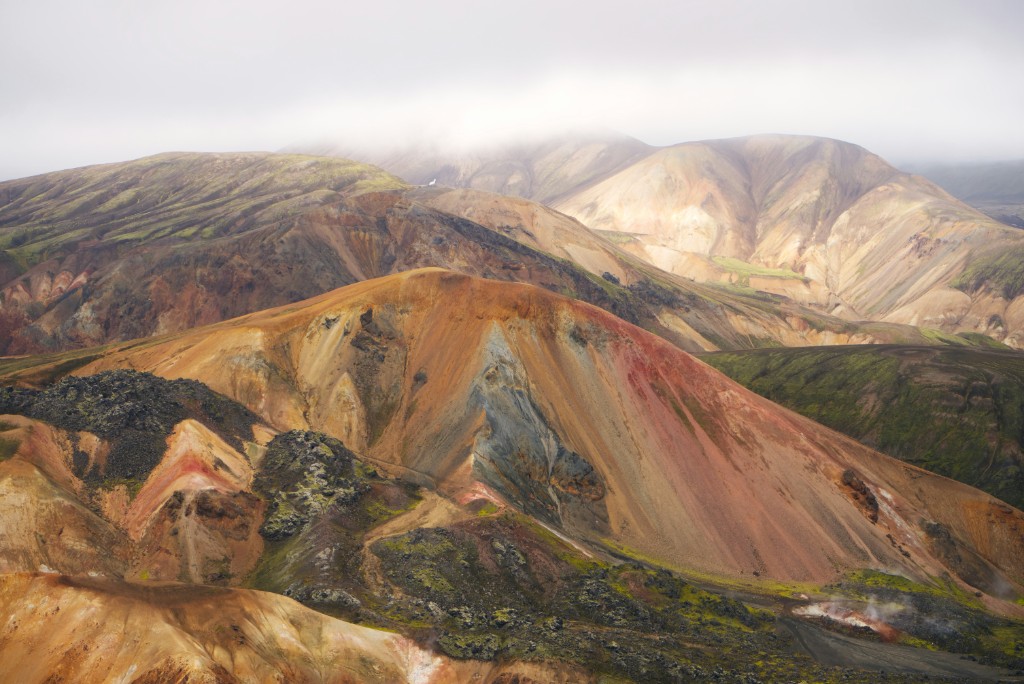
Iceland's interior is one of the last genuinely wild landscapes in Europe, and Landmannalaugar sits at its heart: a high-altitude geothermal valley where the mountains are painted in colours that seem borrowed from somewhere else entirely. Rust red. Sulphur yellow. Sage green. Obsidian black. The famous Laugavegur Trail begins here, running 55 kilometres south to Þórsmörk through lava fields, glacial rivers, snow-dusted ridgelines, and hot springs you can slip into at the end of a long day's walking.
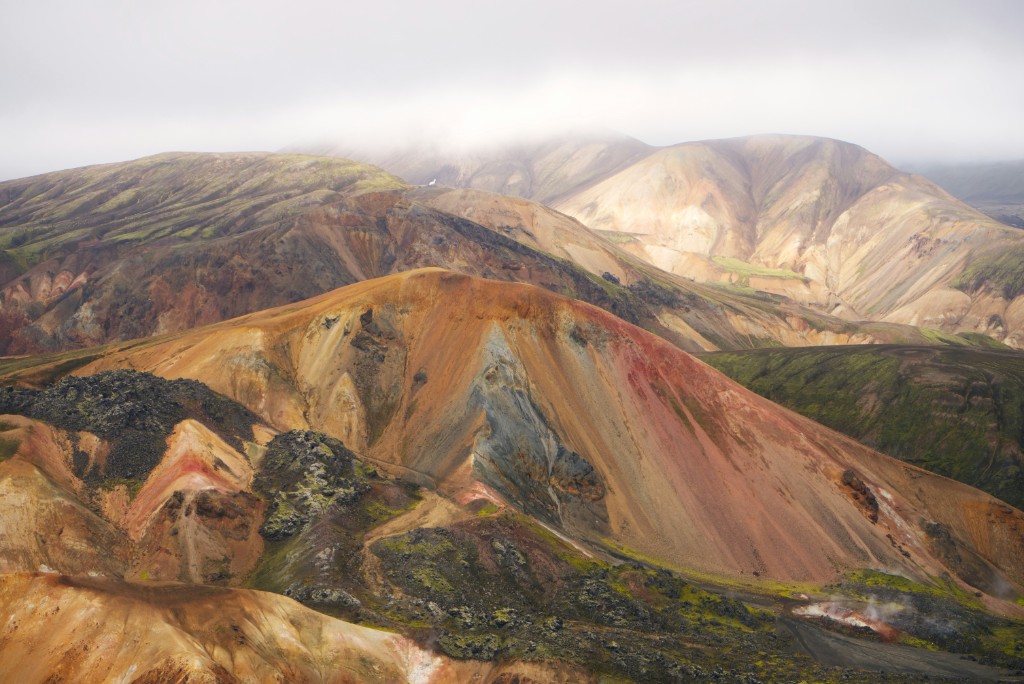
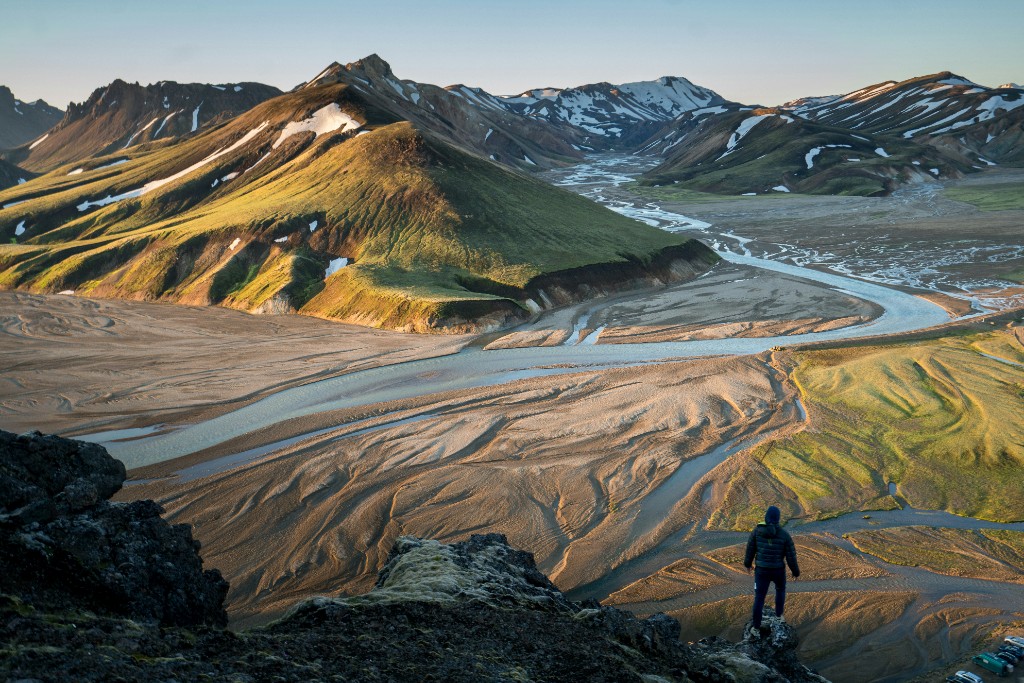
For groups, the hut-to-hut structure of the trail is one of its great gifts: accommodation is booked in advance at mountain huts spaced a day's walk apart, which gives the trip a natural rhythm and removes the weight of carrying camping gear. The huts fill up fast and it's best to book in June for a July or August trip. The crossing of the Jökultungur ridge on day two, where you emerge from a valley of obsidian rock onto a ridge overlooking a panorama of glaciers and volcanic peaks, is one of the most quietly spectacular moments in European hiking.
2. Huayhuash Trek, Peru
If the Inca Trail is the most famous hike in South America, the Huayhuash Circuit is the one serious trekkers talk about in hushed, reverent tones. A 160-kilometre loop through the Cordillera Huayhuash in the Peruvian Andes, it passes beneath some of the highest and most technically dramatic peaks on the continent (Yerupajá, Siula Grande, Jirishanca) with high camps above 5,000 metres and lake crossings that seem to belong in a dream.
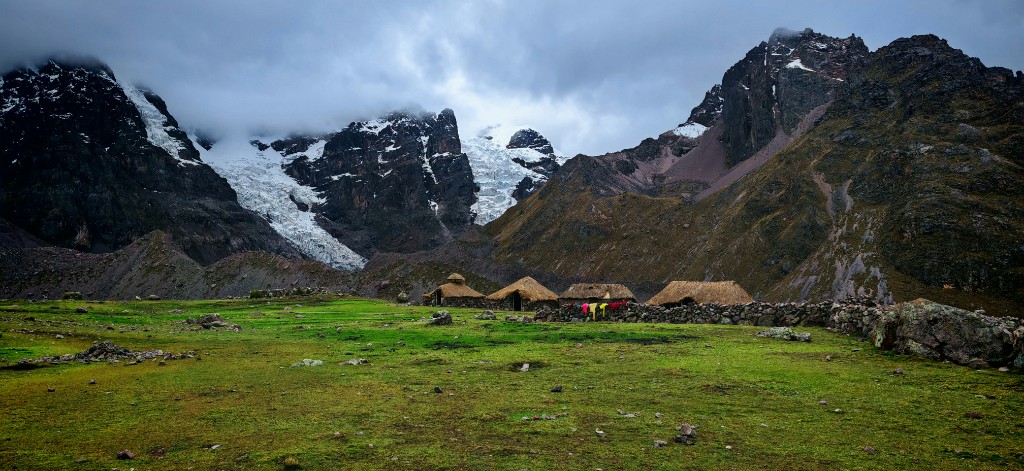
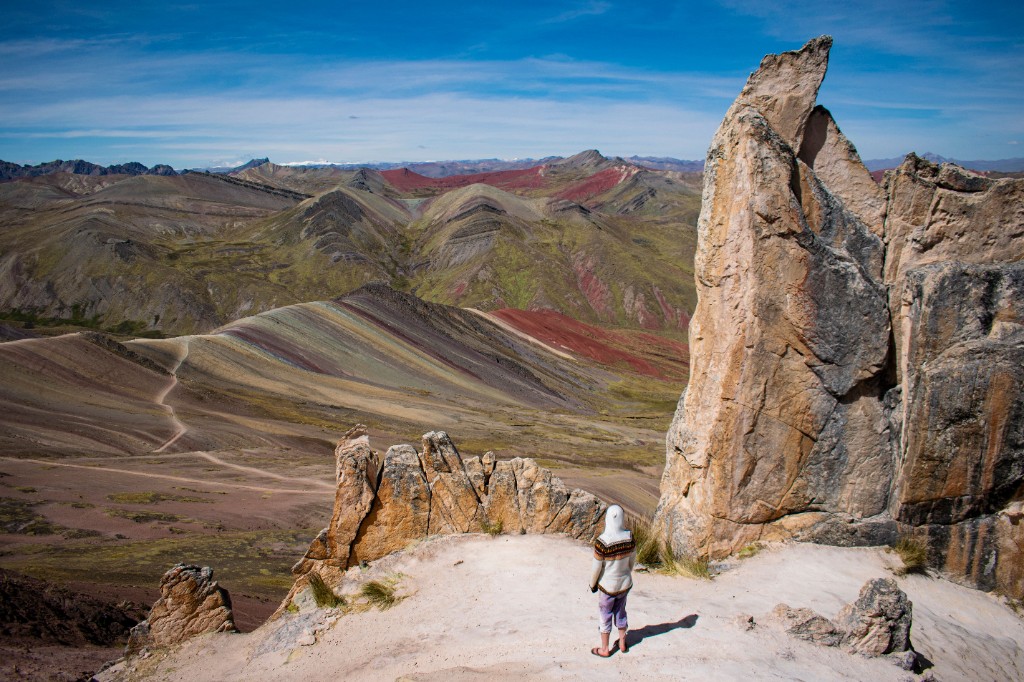
The full circuit takes 8–12 days, which makes it a genuine expedition rather than a weekend trip, and that commitment is part of what makes it so transformative. The landscape shifts constantly: turquoise glacial lakes surrounded by grazing llamas, high passes with views stretching across the entire range, remote villages where the group is often the only visitors for days. Go with a local guiding agency that handles permits, logistics, and arrivals, as this lets the group focus entirely on the experience rather than the logistics. Acclimatise properly in Huaraz beforehand; altitude sickness is real and shouldn't be underestimated.
3. Reinebringen, Norway
Norway's Lofoten Islands are one of those places that look implausible: jagged peaks rising straight from the Arctic Ocean, red fishing cabins clustered on tiny slivers of land, water so cold and clear it looks like glass. Reinebringen is the mountain that rises above the village of Reine, and the view from its summit, located 448 metres up, accessible via a steep but well-maintained trail, is one of the most photographed in Scandinavia for excellent reason.
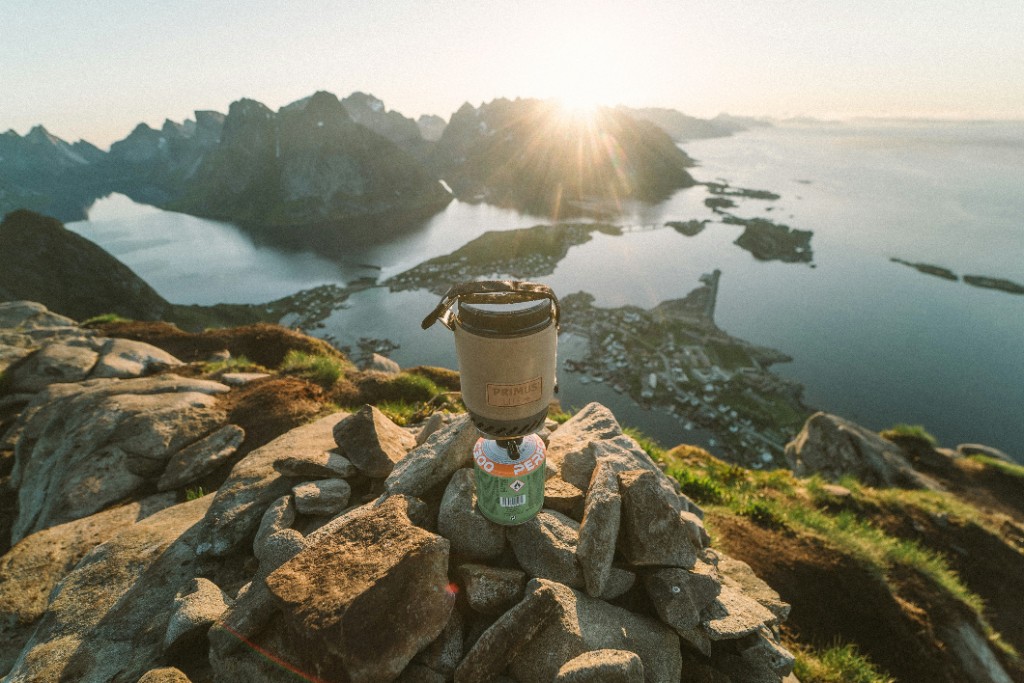
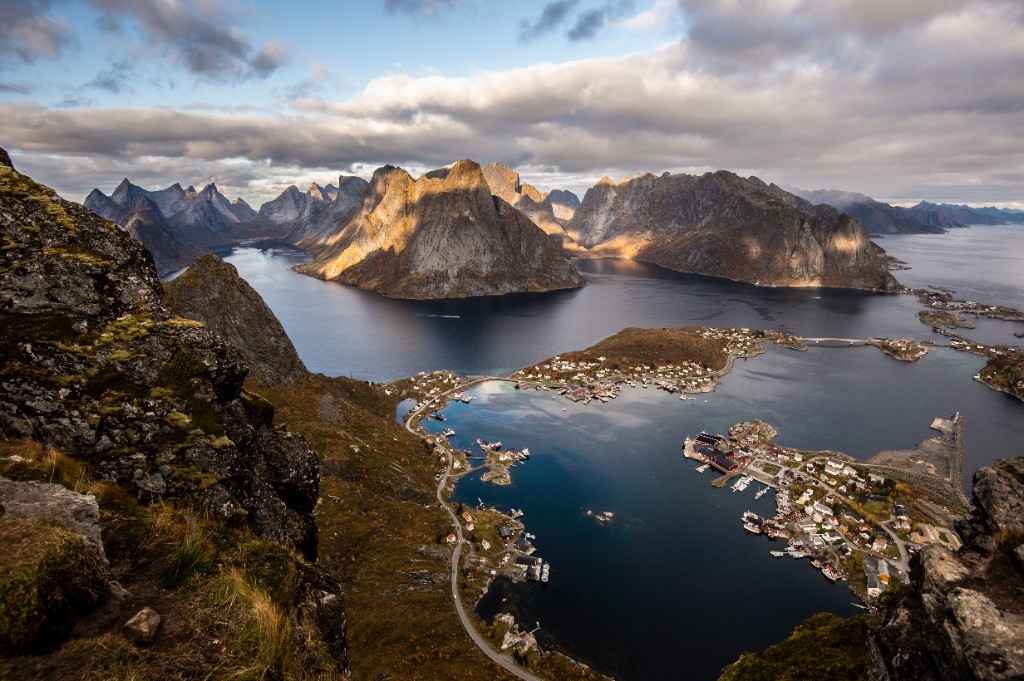
What makes Reinebringen special for groups is its accessibility. The hike takes 2–3 hours return and requires no technical experience, which means it works for groups with mixed fitness levels; everyone reaches the top, and the reward is proportional to the effort in a way that longer trails can't always guarantee. The Lofoten Islands themselves reward several days of exploration: sea kayaking through the fjords, cycling between fishing villages, eating freshly caught cod at the harbour, and watching the midnight sun trace its low arc across the horizon without ever fully setting. Visit between late May and mid-July for 24-hour daylight; late September and October for the Northern Lights.
4. Torres del Paine, Chile
At the southern tip of South America, Patagonia belongs to a category of landscape that's hard to describe without reaching for superlatives. Torres del Paine National Park is its centrepiece: a tangle of glaciers, turquoise lakes, condor-patrolled skies, and the three granite towers that give the park its name, rising sheer from the steppe like the remnants of some ancient geological argument.
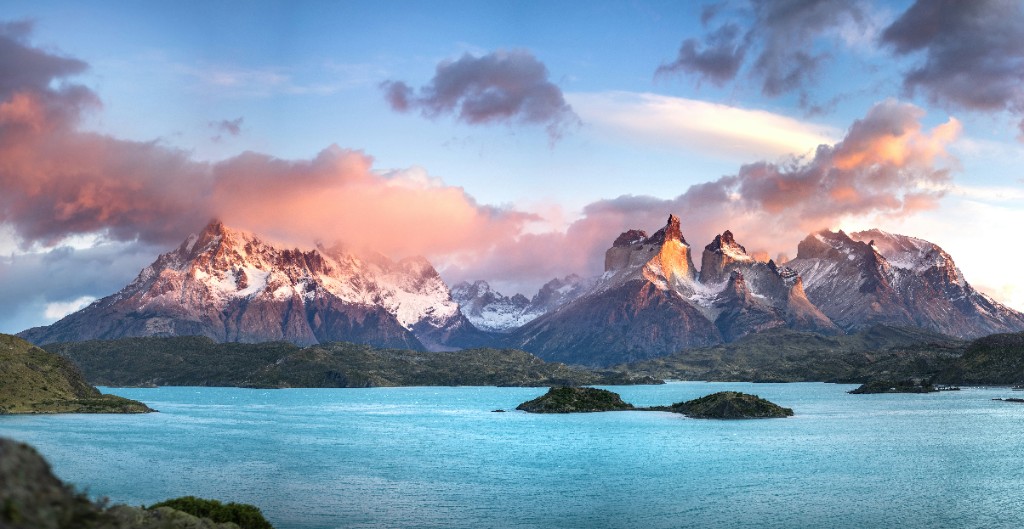
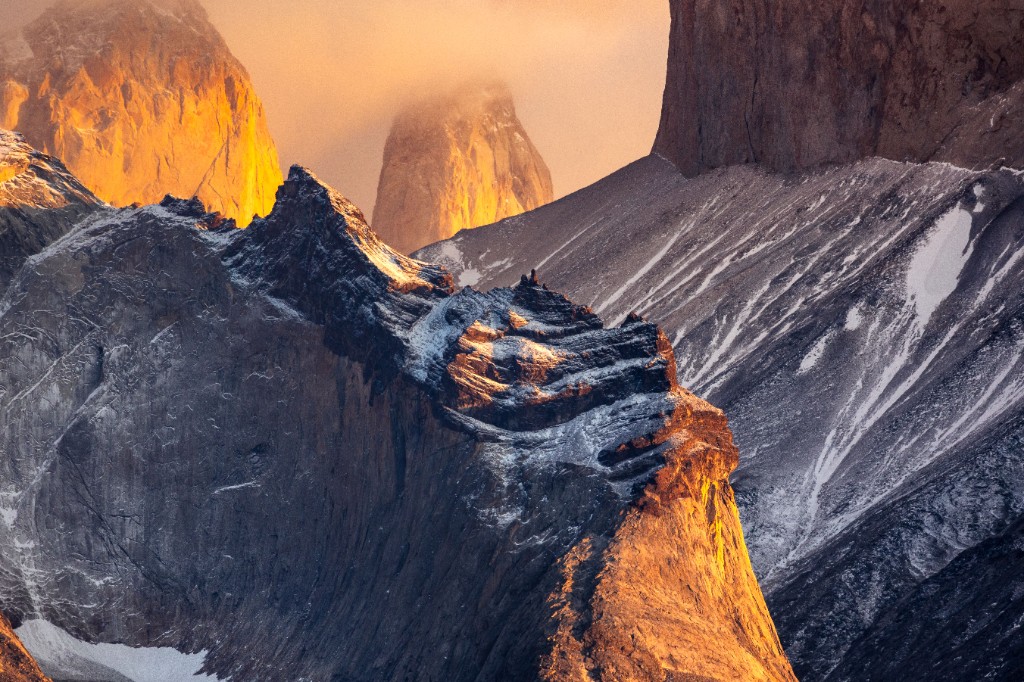
The classic route is the W Trek, named for the shape it traces across the park over 4–5 days, taking in the Torres themselves, the French Valley, and the Grey Glacier. For groups, the W is ideal: it's challenging without being technical, the refugio accommodation means you're not carrying camping gear unless you want to, and the shared rhythm of long days walking and evenings eating together in the refugios creates the kind of group bonding that's hard to replicate anywhere else. Patagonia's weather is famously unpredictable - four seasons in a day is a cliché because it's true - so pack layers, embrace the rain, and know that a cloud-shrouded Torres at dawn can be just as powerful as the clear-sky version.
5. Lago di Sorapis, Italy
Not every transcendent hiking experience requires a week in the wilderness. Lago di Sorapis, tucked into the Dolomites of northeastern Italy, proves that some of the world's most beautiful places can be reached in a single afternoon. A 2.5–3 hour hike from the Passo Tre Croci car park brings you to a small alpine lake of a colour that doesn't seem to belong in nature: a milky, luminous turquoise caused by glacial silt suspended in the water, framed by the pale limestone towers of the Dolomiti Ampezzane.
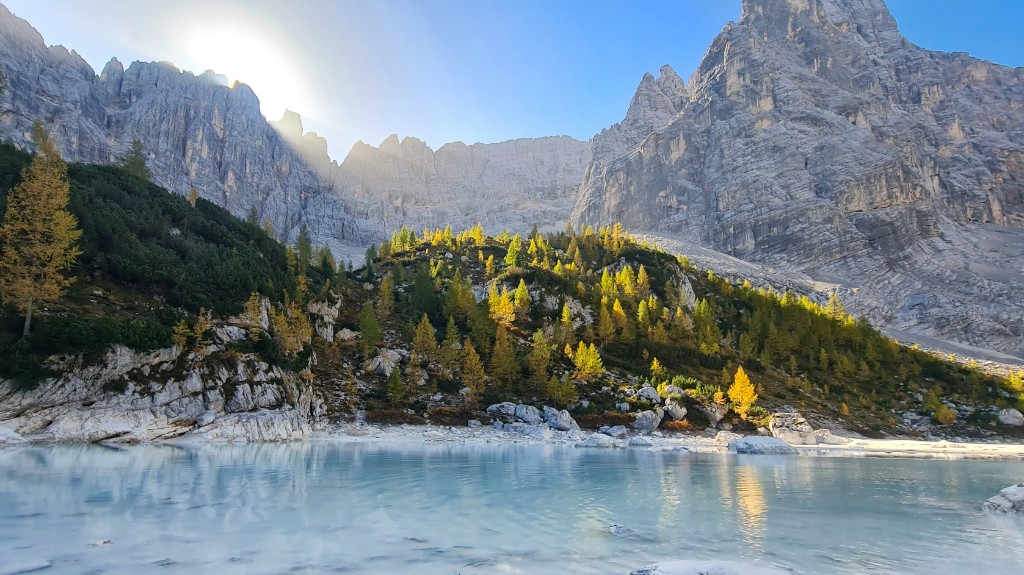
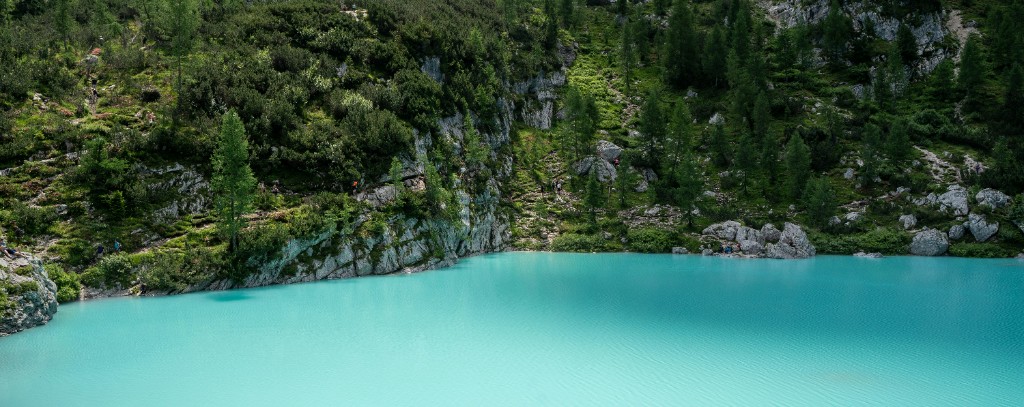
The trail involves some exposed sections with fixed cables (via ferrata style), which adds a gentle sense of adventure without requiring specialist equipment. For groups, Sorapis works brilliantly as part of a Dolomites road trip; base yourself in Cortina d'Ampezzo (one of Italy's most beautiful mountain towns) and combine it with other day hikes, cycling, and the unmistakable pleasure of Italian mountain food: polenta, wild mushroom pasta, local cheeses, and grappa by the fire. The Dolomites are also one of the most photographically dramatic landscapes in Europe, which doesn't hurt.
Practical Tips for Group Hiking Trips
- Match the trail to your group, not your ambition. Be honest about the weakest hiker in the group: the Huayhuash at altitude isn't the place to discover someone struggles with steep climbs. Sorapis and Reinebringen work for nearly everyone; Huayhuash and Torres del Paine require a base level of fitness and preparation.
- Book huts and refugios months in advance. Popular trails like the Laugavegur and Torres del Paine W Trek sell out their accommodation by February for peak summer. This is non-negotiable.
- Assign one person per task. Group trips to remote hiking destinations benefit enormously from divided responsibilities: one person owns accommodation bookings, one owns transport, one owns permits. Use a shared tool to keep everything visible to the whole group.
- Pack for the group, not just yourself. A shared first aid kit, a group shelter, a water filter: these are things that only need to come once but everyone benefits from. Coordinate before you pack.
- Build in a buffer day. Weather cancellations, slow hiking days, and unexpected detours happen on every trip. A group that builds in one unscheduled day per week of hiking will always have a better time than one running to a tight schedule.
The Trip of a Lifetime Starts With a Group Chat (But Shouldn't Stay There)
These trails don't plan themselves, and neither do the seven people in your group who all have strong opinions about which one to do first. PackPals gives your group a shared space to vote on the destination, build a day-by-day plan, split the packing list, and keep every detail in one place, from the permit booking deadlines to who's carrying the emergency snacks.